

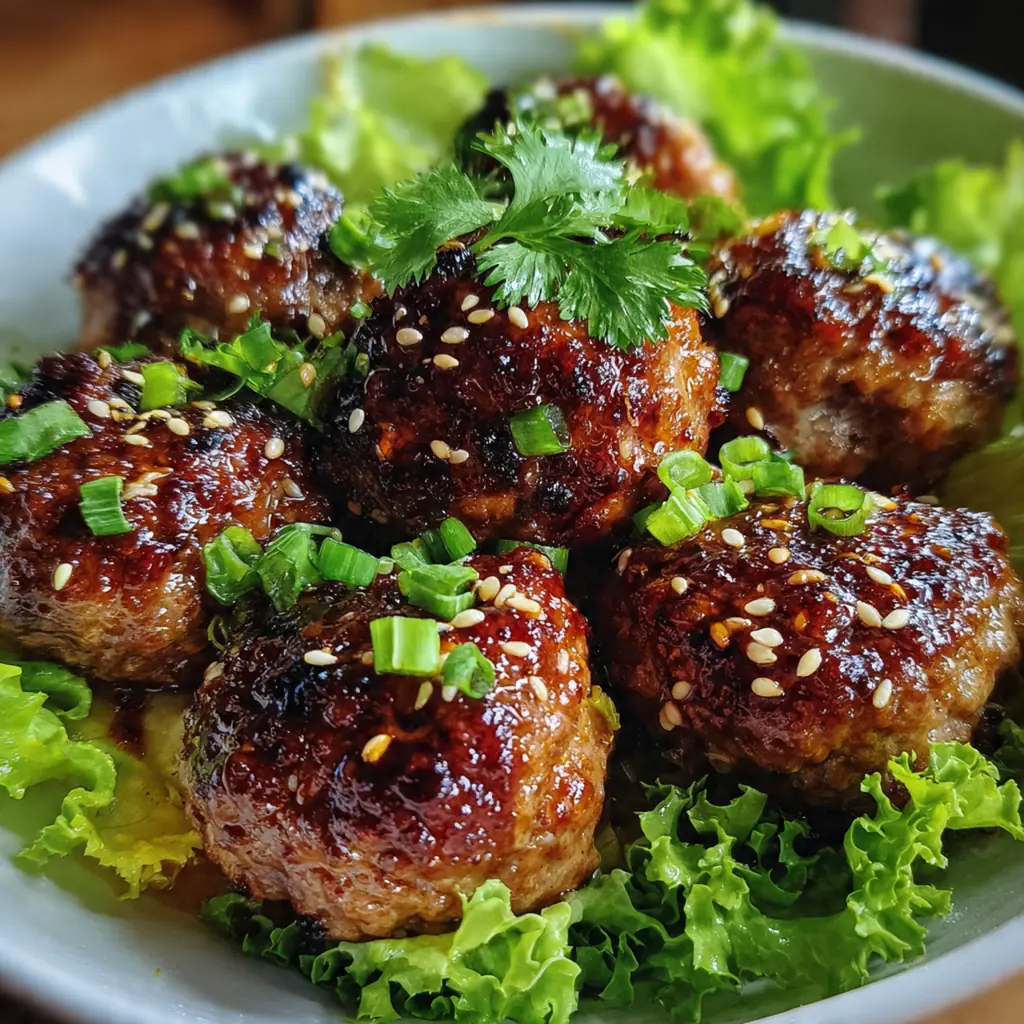
Korean BBQ meatballs bring the bold, addictive flavors of gochujang and sesame straight to your table. These fusion bites blend juicy beef with a sticky, spicy-sweet glaze that’s impossible to resist. Born from the vibrant street food scene of Seoul and adapted for home kitchens, this recipe is a weeknight hero. I love making them for gatherings because they disappear faster than I can plate them. You’ll get that perfect restaurant-quality taste without the fancy equipment.
Why You'll Love This Recipe
- That sticky-sweet-spicy glaze is pure magic on juicy beef
- One pan does all the work—stovetop and oven finish together
- Versatile enough for game day or a quick rice bowl dinner
- They freeze like a dream for future cravings
- I keep a stash in my freezer for emergency happy hour snacks.
Ingredients You’ll Need
- Ground beef 80/20: the fat content keeps these meatballs incredibly juicy and flavorful while browning beautifully. Look for a bright, cherry-red color at the market.
- Panko breadcrumbs: these Japanese-style crumbs absorb moisture without making the meatballs dense. They create a lighter texture than regular breadcrumbs.
- Large egg: acts as the binding agent that holds everything together. It adds richness and helps the meatballs maintain their shape during cooking.
- Garlic: fresh cloves provide a pungent, aromatic base that cooks down into sweetness. Always mince it finely so you don’t get harsh bites.
- Fresh ginger: grated ginger adds a warm, zesty kick that defines Korean flavors. The fresh root has a much brighter punch than the powdered kind.
- Green onions: these add a mild onion flavor and fresh color. Using both white and light green parts gives you the best balance of texture and taste.
- Soy sauce: the salty umami backbone of the Korean BBQ sauce. It brings depth and that signature fermented kick that makes everything taste complex.
- Sesame oil: this toasted oil adds a nutty, aromatic finish that’s unmistakably Korean. A little goes a long way in creating authentic flavor.
- Gochujang: the star of the show, this Korean red chili paste delivers heat, sweetness, and depth. It’s fermented and complex, not just spicy.
- Honey: balances the heat from the gochujang with natural sweetness. It also helps create that glossy, sticky glaze as the meatballs cook.
- Brown sugar: adds deeper molasses notes that complement the gochujang. It caramelizes during cooking, creating a richer flavor profile.
- Vegetable oil: neutral and high-smoke point for perfect searing. It ensures you get that golden crust without burning the delicate flavors.
How to Make It
Preheat and Prep:
Start by preheating your oven to 400°F and lining a baking sheet with parchment paper. Having this ready gives you a backup plan if the pan gets too crowded or you prefer a hands-off finish.
Combine the Base:
In a large bowl, gently mix the ground beef, panko, beaten egg, minced garlic, grated ginger, chopped green onions, and diced onion. Use your hands and stop as soon as everything is just combined to keep the texture tender.
Make the Korean BBQ Sauce:
Whisk together the soy sauce, sesame oil, gochujang, honey, and brown sugar in a small bowl until smooth. Pour this fragrant mixture over the meatball base and fold it in gently so every bit of meat gets coated.
Shape the Meatballs:
Dampen your hands slightly to prevent sticking, then roll the mixture into 1.5-inch balls about the size of a golf ball. You should get 16 to 18 meatballs, which is perfect for feeding a crowd or having leftovers.
Brown to Build Flavor:
Heat vegetable oil in a large skillet over medium-high heat until shimmering. Carefully place the meatballs in the pan, leaving space between them, and cook for 3 to 4 minutes per side until deeply golden.
Finish in the Pan:
Return all the meatballs to the skillet, reduce the heat to medium-low, cover, and cook for 6 to 8 minutes. Turn them occasionally so they cook evenly and reach an internal temperature of 165°F.
Glaze and Reduce:
Remove the lid and let the sauce bubble for about 2 minutes. This evaporates excess liquid and thickens the glaze into a sticky coating that clings to every meatball.
Rest and Serve:
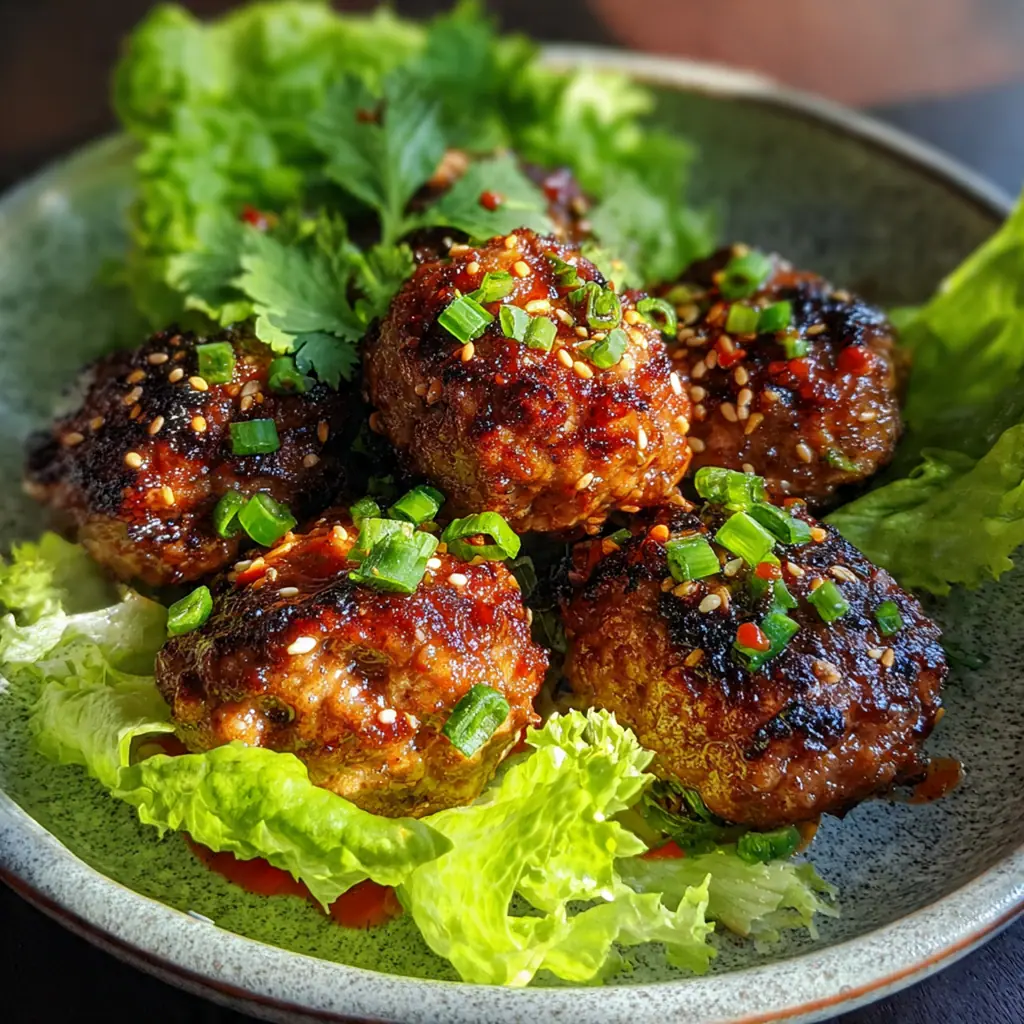
Transfer the meatballs to a platter and sprinkle with toasted sesame seeds and sliced green onions. Let them rest for 2 to 3 minutes so the juices redistribute, then serve hot with toothpicks or over rice.
Baking Alternative:
For a lighter option, place the shaped meatballs on the parchment-lined sheet and bake at 400°F for 18 to 20 minutes. You won’t get quite the same sear, but they’re still incredibly juicy and flavorful.
You Must Know
- Damp hands make shaping way easier and less sticky
- Let the shaped meatballs rest 10 minutes before cooking to help them hold their shape
- Don’t overcrowd the skillet or they’ll steam instead of sear
- I always make extra sauce to drizzle over rice—it’s that good.
Storage Tips
Store leftover meatballs in an airtight container in the fridge for up to 4 days. To freeze, cool them completely first, then freeze individually on a baking sheet before transferring to a freezer bag for 3 months. Reheat in a skillet with a splash of water to loosen the glaze or in the microwave until warmed through. The sauce might separate a bit in the freezer, but a quick reheat in the pan brings it all back together.
Ingredient Substitutions
If you don’t have gochujang, mix sriracha with a little miso paste and brown sugar for a similar sweet-spicy depth. For gluten-free, swap soy sauce for tamari and use gluten-free panko—everything else stays the same. Ground turkey or chicken works too, though you’ll lose some of the juicy richness from the beef. If fresh ginger is unavailable, use a quarter teaspoon of ground ginger, but add it to the sauce so it dissolves properly.
Serving Suggestions
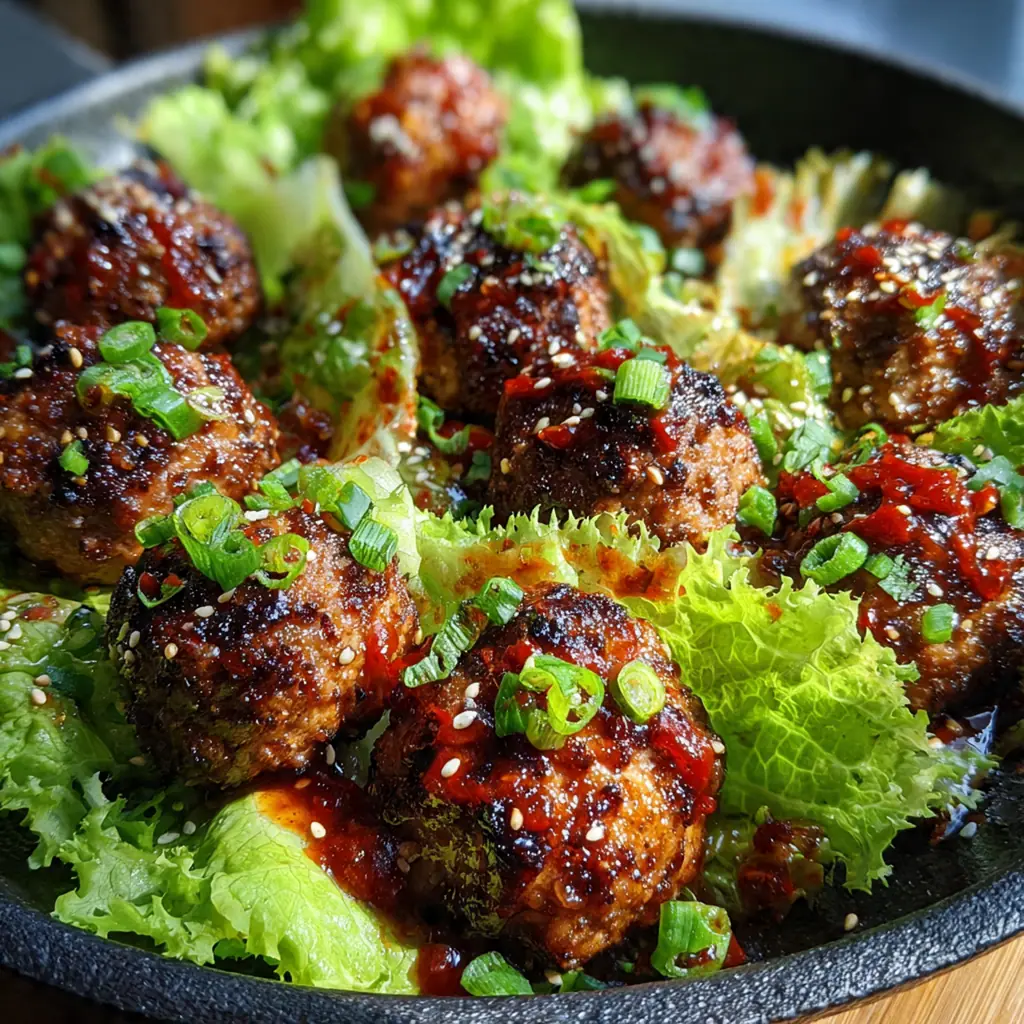
Pile these Korean BBQ meatballs over steamed jasmine rice and quick-pickled cucumbers for a full meal. I love making mini sliders with bao buns, spicy mayo, and kimchi for game day. They’re also fantastic as an appetizer with toothpicks and a side of soy-ginger dipping sauce. For a low-carb dinner, serve them over cauliflower rice with extra scallions and sesame seeds.
Cultural Context
These meatballs are a modern take on Korean barbecue flavors, blending traditional techniques with easy home cooking. In Korea, the word for barbecue—gui—refers to the method of grilling over open flame, which inspired this pan-seared version. The gochujang-based sauce mirrors the flavors found in bulgogi and galbi marinades, which have been refined over centuries. By turning it into meatballs, you get all that cultural complexity in a fun, handheld format that works for any occasion.
Pro Tips
- Mix the sauce separately to ensure the gochujang dissolves completely before adding it to th…
- Use an instant-read thermometer to avoid overcooking—165°F is the sweet spot
- Make a double batch and freeze half for easy weeknight meals
- I’ve found letting the shaped meatballs rest helps them stay round and juicy.
Frequently Asked Questions
The flavor comes from key Korean pantry staples like gochujang (fermented chili paste), sesame oil, and fresh ginger. Gochujang provides that signature spicy-sweet depth, while the fresh garlic and ginger cut through the richness of the beef perfectly.
Yes! You can prepare the meatball mixture and keep it refrigerated for up to 24 hours before cooking. Alternatively, cook the meatballs fully, store them in an airtight container in the fridge for 3-4 days, and reheat them in a pan or microwave before serving.
If you don’t have gochujang, you can mix sriracha with a bit of miso paste and sugar to mimic the heat and fermented flavor. However, for the best result, look for actual gochujang in the Asian aisle of your grocery store.
Cook the meatballs over medium heat for about 25 minutes, turning them frequently to brown all sides. The safest way to check doneness is to use a meat thermometer; the internal temperature should reach 160°F (71°C) for ground beef.
These meatballs are versatile! Serve them as an appetizer with toothpicks and extra gochujang sauce for dipping. For a main course, pair them with steamed jasmine rice, kimchi, and pickled vegetables to round out the meal.