

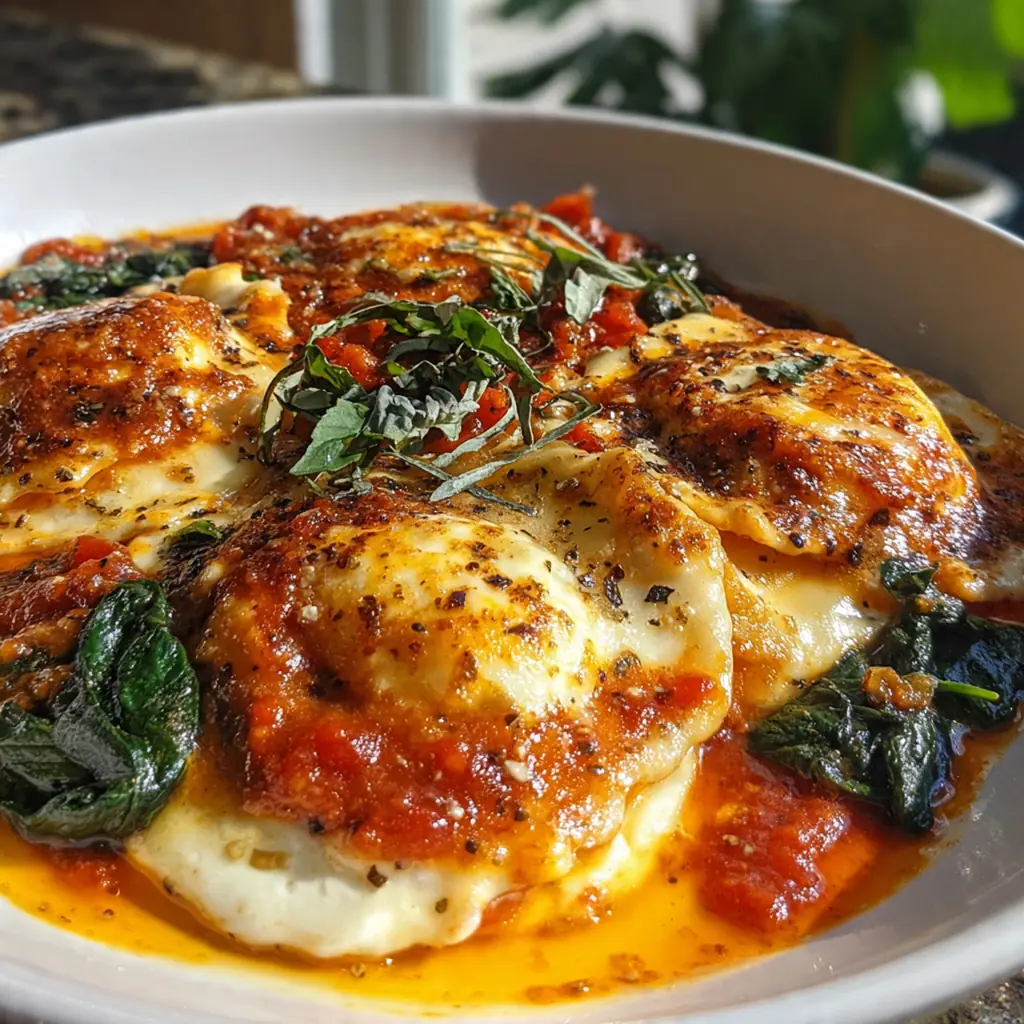
This Homemade Million Dollar Cheese Ravioli absolutely earns its luxurious name, delivering a stunning restaurant-quality meal from your own kitchen. It’s my go-to dish for impressing guests or making an ordinary night feel like a celebration. The magic lies in silky homemade pasta hugging a rich three-cheese filling, all draped in a sage-infused brown butter sauce. Every bite proves that true Italian comfort food is worth the loving effort of making it yourself.
Why You'll Love This Recipe
- The three-cheese filling is incredibly creamy and complex
- You’ll taste the difference fresh homemade pasta makes
- That simple sage brown butter sauce feels downright luxurious
- It turns any dinner into a special occasion
- My family requests it for every birthday meal
Ingredients You’ll Need
- All-purpose flour: use a good quality flour for your pasta dough it builds the protein structure that gives your ravioli its tender bite and perfect texture
- Large eggs: fresh room temperature eggs bind the pasta dough and add richness they’re the liquid that transforms flour into a smooth elastic sheet
- Olive oil: a touch in the dough adds subtle flavor and helps keep the pasta pliable as you roll it out
- Whole milk ricotta cheese: seek out the freshest ricotta you can find for the filling it should be moist but not watery to prevent a soggy interior
- Freshly grated Parmesan cheese: always grate it yourself from a block pre-shredded cheese contains anti-caking agents that can make your filling grainy and it won’t melt as smoothly
- Shredded whole milk mozzarella: this cheese provides the wonderful stretchy pull inside your ravioli whole milk has a higher fat content for better flavor and melt
- Large egg yolk: this binds the cheese filling together so it doesn’t weep out during cooking and adds a lovely richness
- Freshly grated nutmeg: just a hint warms up the cheese filling perfectly it’s the secret spice that makes Italian ricotta dishes sing
- Unsalted butter: browning it creates those gorgeous nutty toasty notes that define the sauce using unsalted lets you control the seasoning
- Fresh sage leaves: they crisp up in the hot butter infusing it with an earthy aromatic flavor that’s essential to the dish
- Garlic: minced fine it adds a savory backbone to the sauce cook it just until fragrant so it doesn’t burn in the hot butter
- Dry white wine: a crisp unoaked wine like Pinot Grigio deglazes the pan pulling up all the flavorful browned bits and adds a subtle acidity
- Heavy cream: this creates a luscious silky sauce that coats each ravioli beautifully and balances the sharpness of the wine and lemon
- Fresh lemon juice: its bright acidity cuts through the richness of the butter and cheese waking up all the other flavors in the dish
How to Make It
Make The Pasta Dough:
Start by mounding your flour on a clean surface and creating a deep well in the center. Crack the eggs into that well and add the oil and salt. Use a fork to gently beat the eggs, slowly pulling in flour from the walls until a shaggy dough forms. Then knead it by hand for a solid 8 to 10 minutes until it’s completely smooth and elastic—this develops the gluten for strong pasta that won’t tear.
Prepare The Filling:
While the dough rests, mix your three cheeses in a bowl with the egg yolk, nutmeg, salt, and pepper. Stir it until everything is fully blended and creamy. Cover the bowl and pop it in the fridge to firm up a bit; a colder filling is much easier to handle when you’re assembling the ravioli and helps keep the pasta from getting soggy.
Roll Out The Sheets:
Divide your rested dough into four manageable pieces. Roll each piece through a pasta machine or with a rolling pin until it’s very thin, about the thickness of a dime. Keep the sheets you aren’t working with under a damp kitchen towel so they don’t dry out and become brittle, which makes them hard to seal.
Assemble The Ravioli:
Lay one pasta sheet on a floured surface and place small teaspoonfuls of filling about two inches apart. Brush a little water around each mound of filling—this acts like glue. Carefully drape a second sheet over top, then gently press down around each filling mound, pushing out any trapped air pockets. Use a cutter or knife to separate them into individual squares, pressing the edges firmly to seal.
Cook The Pasta:
Bring a large pot of generously salted water to a rolling boil. Gently lower the ravioli in, cooking them in batches so they don’t stick together. They’re done in just 3 to 4 minutes, when they float to the surface and the pasta is tender but still has a slight bite. Lift them out with a slotted spoon, letting the water drain off completely.
Create The Brown Butter Sauce:
As the pasta cooks, melt butter in a large skillet over medium heat. Add the sage leaves and let them sizzle until crisp and fragrant, then remove them for garnish. Toss the minced garlic into the fragrant brown butter and cook it for just 30 seconds until you can smell its aroma—you don’t want it to burn.
Deglaze The Pan:
Pour your white wine into the skillet; it’ll bubble and steam immediately. Let it simmer for a couple of minutes, using your spoon to scrape up all the delicious browned bits stuck to the bottom of the pan. This step builds incredible flavor into the base of your sauce.
Finish The Sauce:
Stir in the heavy cream and a squeeze of fresh lemon juice, then season with salt and pepper. Let the sauce simmer gently for a few minutes until it thickens just enough to coat the back of a spoon beautifully. You’ll know it’s ready when it looks rich and velvety.
Combine And Serve:
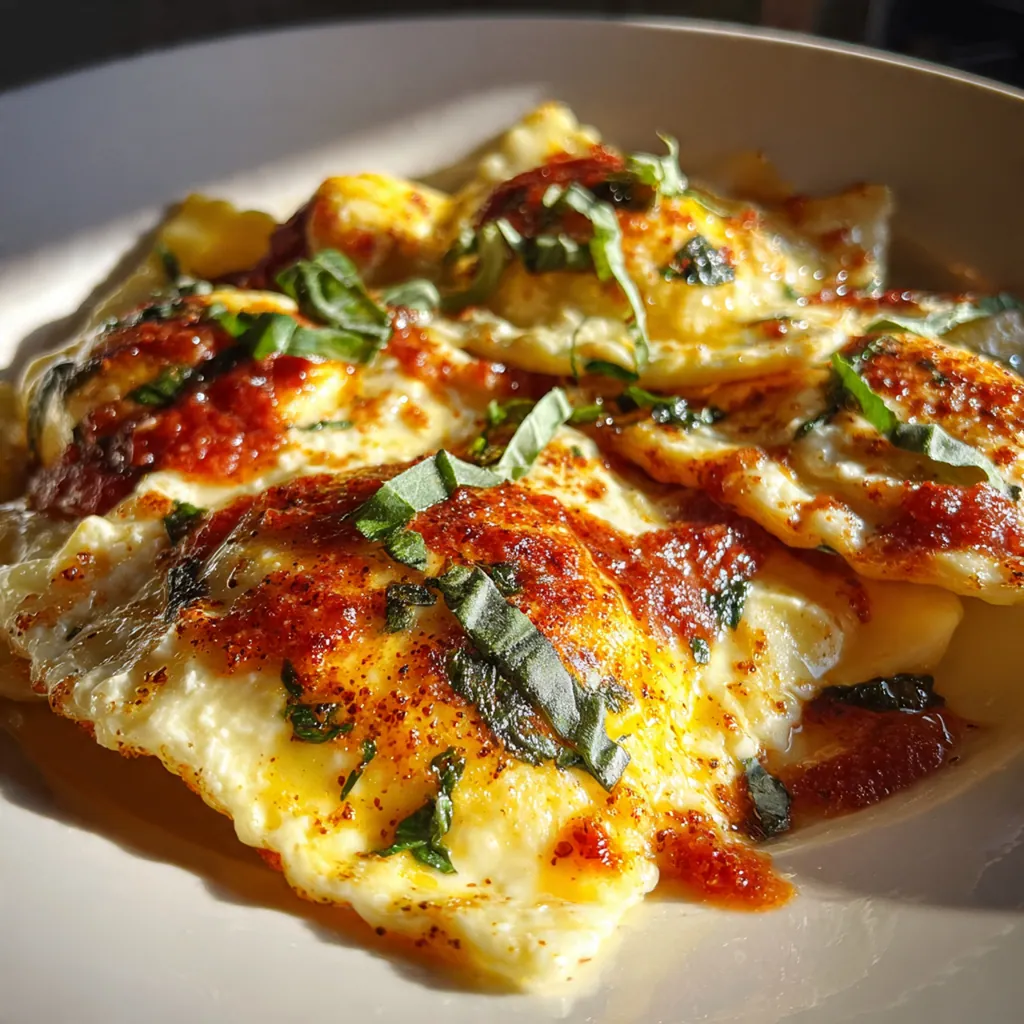
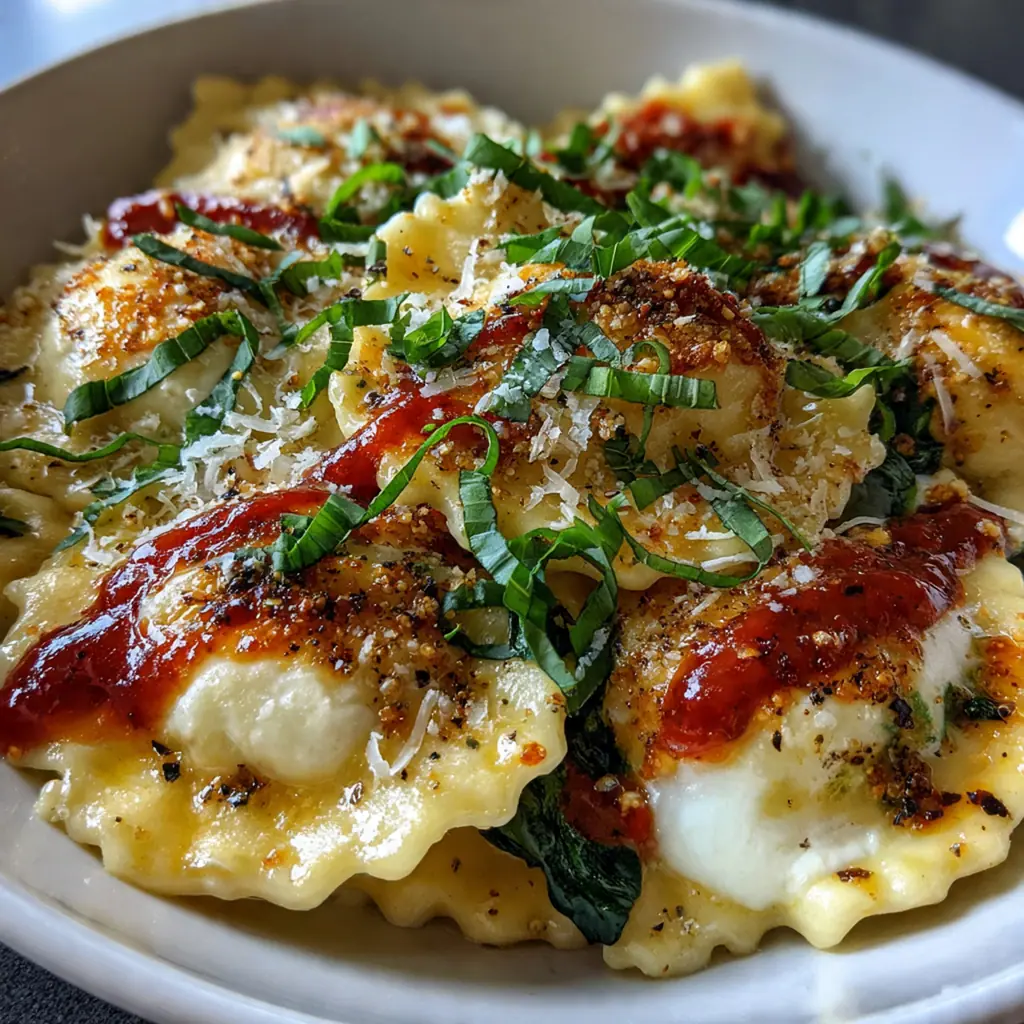
Gently add your cooked ravioli to the skillet with the sauce, tossing carefully to coat each one. Serve them immediately while they’re hot, topped with the crispy sage leaves, extra Parmesan, and a sprinkle of fresh parsley for a pop of color.
You Must Know
- Don’t overfill the ravioli or they’ll burst
- Keep pasta sheets covered to prevent cracking
- Freshly grate your cheese for the filling
- Make sure filling isn’t on the pasta edges before sealing
- That splash of pasta water can save a thick sauce
Storage Tips
If you want to get ahead, you can freeze the uncooked ravioli right on that floured baking sheet until they’re solid, then transfer them to a freezer bag for up to two months – cook them straight from frozen, just adding an extra minute or two to the boil. Any leftovers store well in the fridge for a couple days in an airtight container; I like to reheat them gently in a skillet with a little extra butter or sauce to keep them from drying out. You can’t really freeze them after they’re cooked and sauced, though, as the texture just won’t be the same.
Ingredient Substitutions
If you’re out of fresh sage, a teaspoon of dried rubbed sage works in the sauce, though you’ll miss those crispy leaves. For the wine, a splash of low-sodium chicken broth with a teaspoon of white wine vinegar or extra lemon juice can stand in. In a real pinch for the filling, you could swap the mozzarella for a mild provolone or even a creamy fontina for a similar melt. While homemade pasta is special, you can use high-quality wonton wrappers from the refrigerated section to save time, though the texture will be a bit different.
Serving Suggestions
I love serving this rich ravioli with a simple arugula salad dressed in lemon vinaigrette to cut through the decadence, plus some warm crusty bread for sopping up every last drop of that incredible sage butter sauce. For a heartier meal, pair it with a side of garlicky sautéed spinach or roasted cherry tomatoes. Keep the wine theme going by pouring the rest of that crisp white wine you used for cooking into your glasses – it’s the perfect companion to the meal.
Cultural Context
This dish is a beautiful homage to the Northern Italian tradition of fresh pasta and rich, simple sauces that let quality ingredients shine. Ravioli date back centuries in regions like Emilia-Romagna and Lombardy, often served during festivals and family gatherings. The combination of ricotta, Parmesan, and nutmeg is a classic filling you’d find in many nonna’s kitchens, while the sage and brown butter sauce, or ‘burro e salvia,’ is a timeless preparation from the Alps to Tuscany. It’s food that celebrates patience and craftsmanship, turning a few humble components into a meal that truly feels like a million dollars.
Pro Tips
- Use a teaspoon measure for consistent filling
- Let the dough rest fully for easier rolling
- Seal edges thoroughly to avoid leaks
- Reserve a cup of pasta water just in case
- It’s my secret for perfect sauce consistency every time
Frequently Asked Questions
For the smoothest, richest filling, use whole milk ricotta cheese. It has a higher fat content and creamier texture than part-skim varieties, which helps create the luxurious ‘million dollar’ mouthfeel. Draining any excess liquid from the ricotta in a fine-mesh sieve for 10-15 minutes before mixing is a pro tip for a perfect filling.
Absolutely. You can assemble the ravioli and arrange them in a single layer on a floured baking sheet, then freeze until solid before transferring to a freezer bag for up to 2 months. Cook directly from frozen, adding 1-2 minutes to the boiling time. The brown butter sauce is best made fresh, just before serving.
If you don’t have fresh sage, you can use 1 teaspoon of dried rubbed sage added to the butter as it melts. For a different aromatic twist, fresh thyme leaves also pair beautifully with the brown butter and cheese. The crispy fried sage leaves are a signature touch, so fresh is highly recommended if possible.
The ravioli are cooked when they float to the top of the boiling water, which usually takes 3-4 minutes for fresh pasta. Let them cook for an additional 30-60 seconds after floating. The pasta should be tender but still have a slight bite (al dente). Avoid overcooking, as the delicate fresh pasta can become mushy.
This rich dish is a complete main course on its own. For a classic Italian meal, start with a simple arugula salad with lemon vinaigrette to cut through the richness. A side of crusty bread is perfect for soaking up any extra sage brown butter sauce left on the plate. Pair with the same dry white wine used in the sauce, like a Pinot Grigio.