


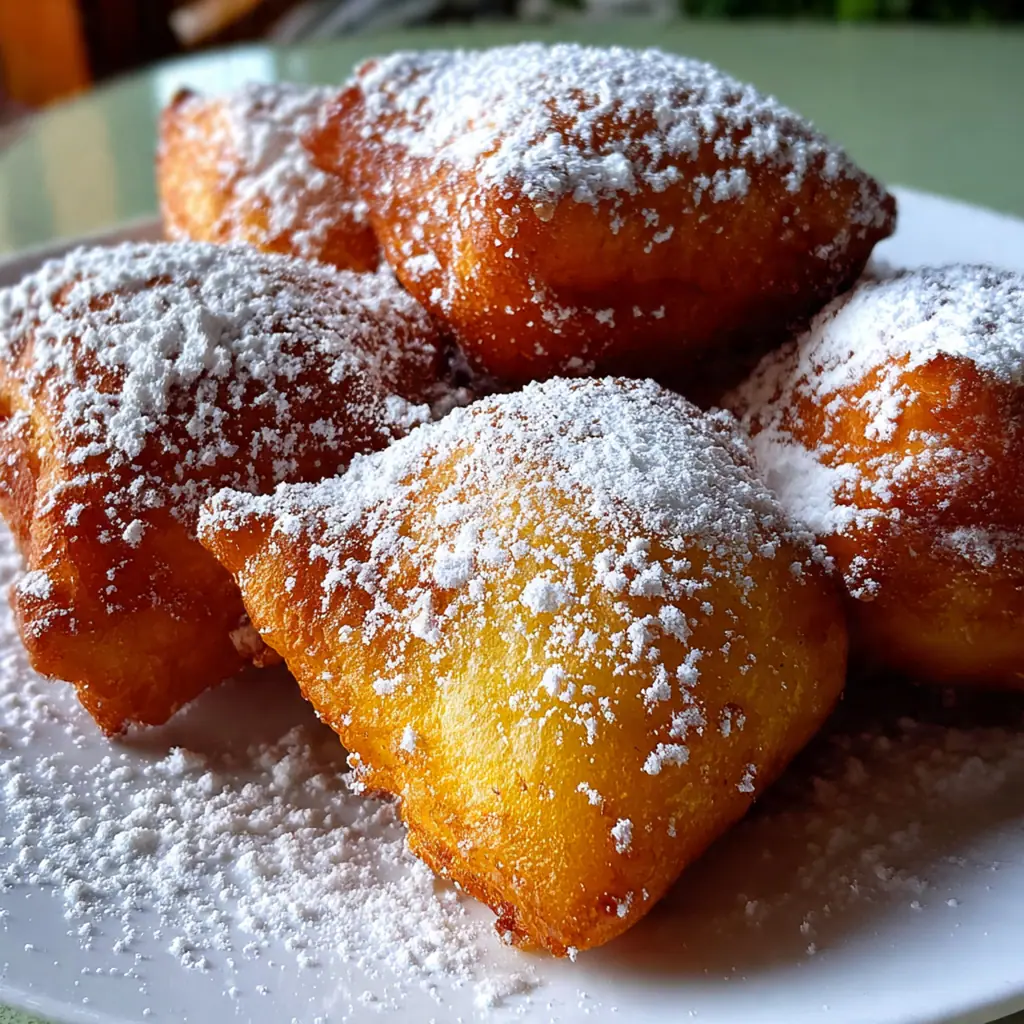
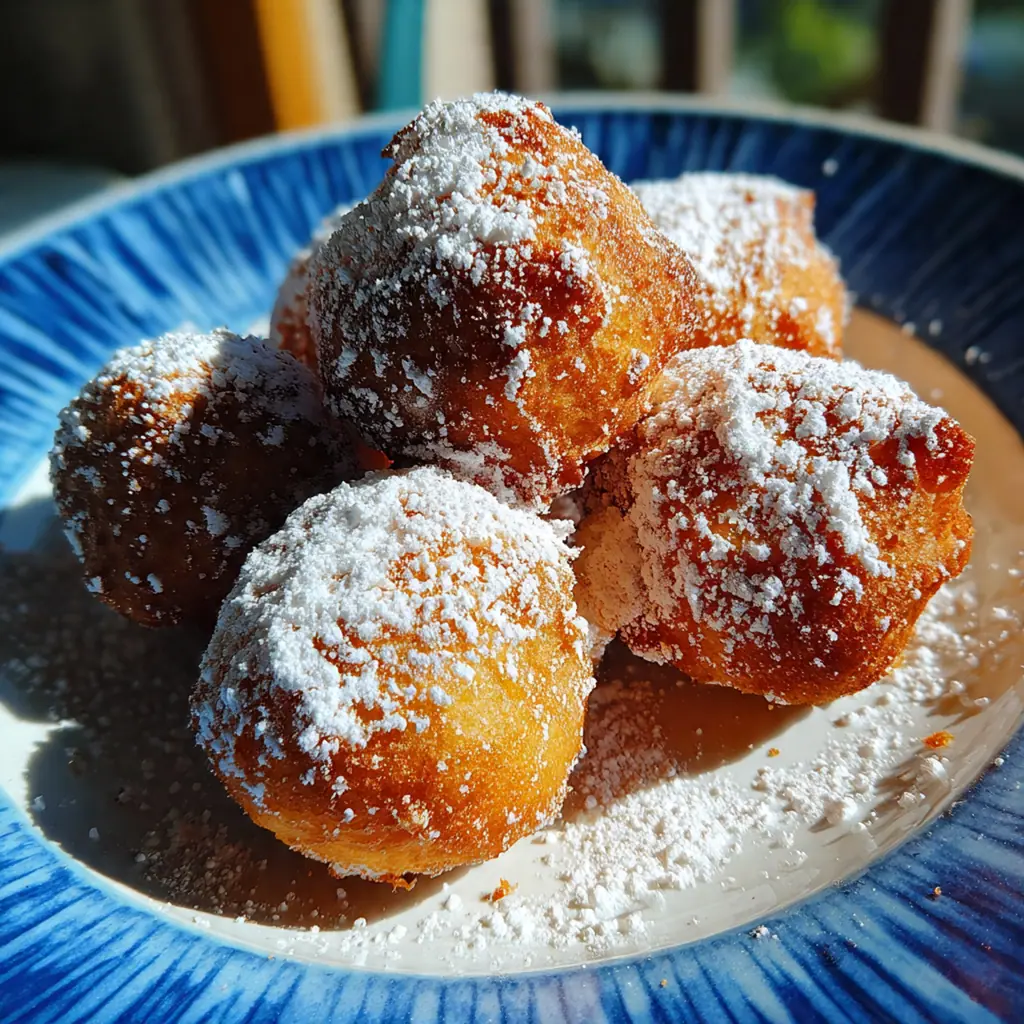
There is something truly magical about Vanilla French Beignets. These pillowy vanilla French beignets are essentially light, airy fried dough balls that taste just like the ones you find in a charming Parisian café. The recipe creates a rich vanilla-infused dough that you fry to golden perfection, then dust generously with powdered sugar. I have always found them to be an irresistible treat for breakfast or dessert, and this authentic recipe brings that bakery magic right into your kitchen. It is a process you will enjoy making again and again.
Why You'll Love This Recipe
- The dough is incredibly light and airy with a slightly crisp exterior that is simply irresis…
- Deep vanilla flavor is infused right into the dough, not just sprinkled on top.
- They feel fancy and impressive but are actually achievable for home bakers.
- Perfect for a special weekend breakfast, brunch, or a sweet afternoon snack.
- I make a double batch every time because they disappear so fast.
Ingredients You’ll Need
- Whole milk: Provides moisture and richness for the dough. Lukewarm temperature is essential to wake up the yeast without killing it.
- Active dry yeast: The leavening agent that makes the dough rise and creates air pockets. Always check the expiration date for best results.
- Granulated sugar: Adds sweetness and feeds the yeast to help it activate. We use it in the dough mixture.
- Large egg: Adds structure, richness, and a tender crumb to the beignets. Room temperature helps it blend smoothly.
- Large egg yolk: Adds extra fat and richness, making the dough more tender and flavorful.
- Pure vanilla extract: The star flavor. Use a high-quality extract for the best, most authentic vanilla taste.
- Salt: Balances the sweetness and enhances the overall flavor profile of the dough.
- All-purpose flour: Provides the structure and gluten needed for that chewy yet tender texture. Measure carefully.
- Unsalted butter: Adds tenderness and flavor. Softening it first ensures it incorporates evenly into the dough.
- Vegetable or canola oil: Neutral oils are best for frying so the beignets taste clean and not greasy.
- Powdered sugar: The classic finish that adds sweetness and that iconic snowy look.
- Vanilla bean paste: Optional but adds an extra layer of intense vanilla flavor and those beautiful specks.
- Zest of a lemon: Optional for a bright, citrusy note that cuts through the richness beautifully.
How to Make It
Activate The Yeast:
In the bowl of a stand mixer fitted with the dough hook, combine the lukewarm milk, yeast, and one tablespoon of the granulated sugar. Let this mixture sit for 5 to 10 minutes until it becomes foamy and bubbly, which tells you the yeast is activated and ready to work.
Mix The Wet Ingredients:
Add the remaining granulated sugar, the whole egg, the egg yolk, vanilla extract, and salt to the yeast mixture. Mix on low speed just until everything is combined into a wet, shaggy mixture.
Add The Flour:
Add the flour to the bowl in three separate additions, mixing on low speed after each addition until the flour is just incorporated. This gradual method prevents the flour from flying everywhere and helps develop the gluten gently.
Knead And Add Butter:
Increase the mixer speed to medium and knead the dough for 5 to 7 minutes. Add the softened butter cubes one at a time, waiting for each to incorporate before adding the next. Continue kneading until the dough is smooth, elastic, and pulls away cleanly from the sides of the bowl.
First Rise:
Lightly oil a large bowl. Form the dough into a ball, place it in the bowl, and turn it to coat with oil. Cover the bowl tightly with plastic wrap or a damp kitchen towel. Let it rise in a warm, draft-free place for 1 to 1.5 hours, or until it has doubled in size.
Shape The Beignets:
Punch down the risen dough to release the air. Turn it out onto a lightly floured surface and gently knead for just a moment. Roll the dough out into a rectangle about one-quarter inch thick. Use a sharp knife or pizza cutter to cut the dough into 1.5 to 2-inch squares.
Second Rise:
Place the cut beignets on a parchment-lined baking sheet, leaving some space between them. Cover them loosely and let them rest for 20 to 30 minutes. This short second rise makes them even puffier and lighter when fried.
Heat The Oil:
While the beignets rest, heat the oil in a heavy-bottomed pot or Dutch oven to 350 to 360 degrees Fahrenheit. A candy thermometer is crucial here; proper oil temperature ensures light, non-greasy beignets that cook through perfectly.
Fry To Golden Perfection:
Carefully place 3 to 4 beignets into the hot oil, being careful not to overcrowd the pot. Fry for about 1 to 2 minutes per side, flipping once, until they are puffed and a deep golden brown on all sides. They will often flip themselves when ready.
Drain And Dust:
Use a spider strainer or slotted spoon to remove the beignets and transfer them to a wire rack lined with paper towels to drain excess oil. Fry remaining batches, letting the oil return to 350 degrees between batches. Dust generously with powdered sugar while still warm and serve immediately.
You Must Know
- Internal dough temperature should reach at least 190°F to ensure it is fully cooked through.
- If the dough feels too sticky, lightly oil your hands instead of adding more flour.
- Use a scale for flour measurement to ensure perfect dough consistency every time.
- Maintain oil temperature; too low makes them greasy, too high burns the outside.
- I use a kitchen thermometer religiously for these to get that perfect crunch.
Storage Tips
Beignets are truly best enjoyed fresh and warm, ideally within an hour of frying when they are at their absolute peak of pillowy perfection. If you have leftovers, you can store them in an airtight container at room temperature for up to one day, though they will inevitably lose some of that signature lightness. To refresh them, warm them briefly in a 300°F oven for a few minutes to bring back a bit of the crispness. You can also freeze the uncooked, cut dough on a tray before transferring it to a freezer bag; fry straight from frozen, adding about an extra minute to the cooking time.
Ingredient Substitutions
If you do not have whole milk, 2% milk will work, though the beignets will be slightly less rich. For the yeast, make sure yours is fresh; if it doesn’t foam up during the activation step, it is dead and won’t rise the dough. You can swap the vegetable oil for peanut oil if you want a distinct flavor, or lard for a truly traditional French experience. If you are out of vanilla extract, the vanilla bean paste is a great swap on its own. For the flour, stick to all-purpose; bread flour will make them too chewy.
Serving Suggestions
Serve these warm vanilla French beignets as they are, or pair them with a bowl of rich hot chocolate or a classic café au lait for a true Parisian breakfast experience. I love serving them alongside fresh fruit preserves or a dipping sauce made of melted chocolate. They are also fantastic when split open and filled with vanilla pastry cream or chocolate ganache to turn them into a decadent dessert. For a brunch spread, serve them simply piled high on a platter with fresh berries.
Cultural Context
Beignets are a classic French pastry with deep roots in culinary history, essentially meaning ‘fried dough’ in French. They are most famously associated with New Orleans cuisine, particularly Café du Monde, but the French version is distinct in its use of a rich, vanilla-scented yeast dough rather than a fritter batter. Making these connects you to a long tradition of simple ingredients transformed by technique into something spectacular. They represent the joy of a perfect, simple treat that is enjoyed with coffee and conversation.
Pro Tips
- Lightly oil your hands if the dough gets sticky rather than adding extra flour.
- Use a thermometer to keep oil steady between 350-360°F.
- Fry only 3 to 4 at a time to avoid dropping the oil temperature.
- Infuse the milk with a vanilla bean pod for deeper flavor before adding yeast.
- I never skip the second rise because it makes them dramatically lighter.
Frequently Asked Questions
Heat your vegetable or canola oil to 350-375°F for perfect Vanilla French Beignets. Use a thermometer for accuracy – if the oil is too cool, the beignets will absorb excess oil and become greasy. If too hot, they’ll brown too quickly without cooking through. The dough should sizzle gently when added and float to the surface within seconds.
Yes! You can prepare the vanilla-infused dough and let it rise in the refrigerator overnight. Bring it to room temperature for 30 minutes before shaping and frying. Alternatively, shape the beignets, let them rise, then freeze them individually on a baking sheet before transferring to a freezer bag. Fry directly from frozen, adding 1-2 extra minutes to cooking time.
While traditional Vanilla French Beignets are fried for authentic texture, you can bake them at 375°F for 12-15 minutes. Brush with melted butter before baking to help them brown. The result will be less airy than fried, more like dinner rolls, but still delicious with powdered sugar.
Your Vanilla French Beignets are ready when they’re puffed and golden brown on both sides, usually 2-3 minutes total frying time. They should feel light and hollow when you tap them. The internal temperature should reach 190°F if you’re using a thermometer. They’ll continue to cook slightly after removing from oil.
Classic Vanilla French Beignets are traditionally served simply dusted with powdered sugar, but you can also pair them with chocolate sauce, fresh berries, vanilla ice cream, or fruit preserves. For a French café experience, serve alongside a strong espresso or café au lait for breakfast or as an after-dinner dessert.