

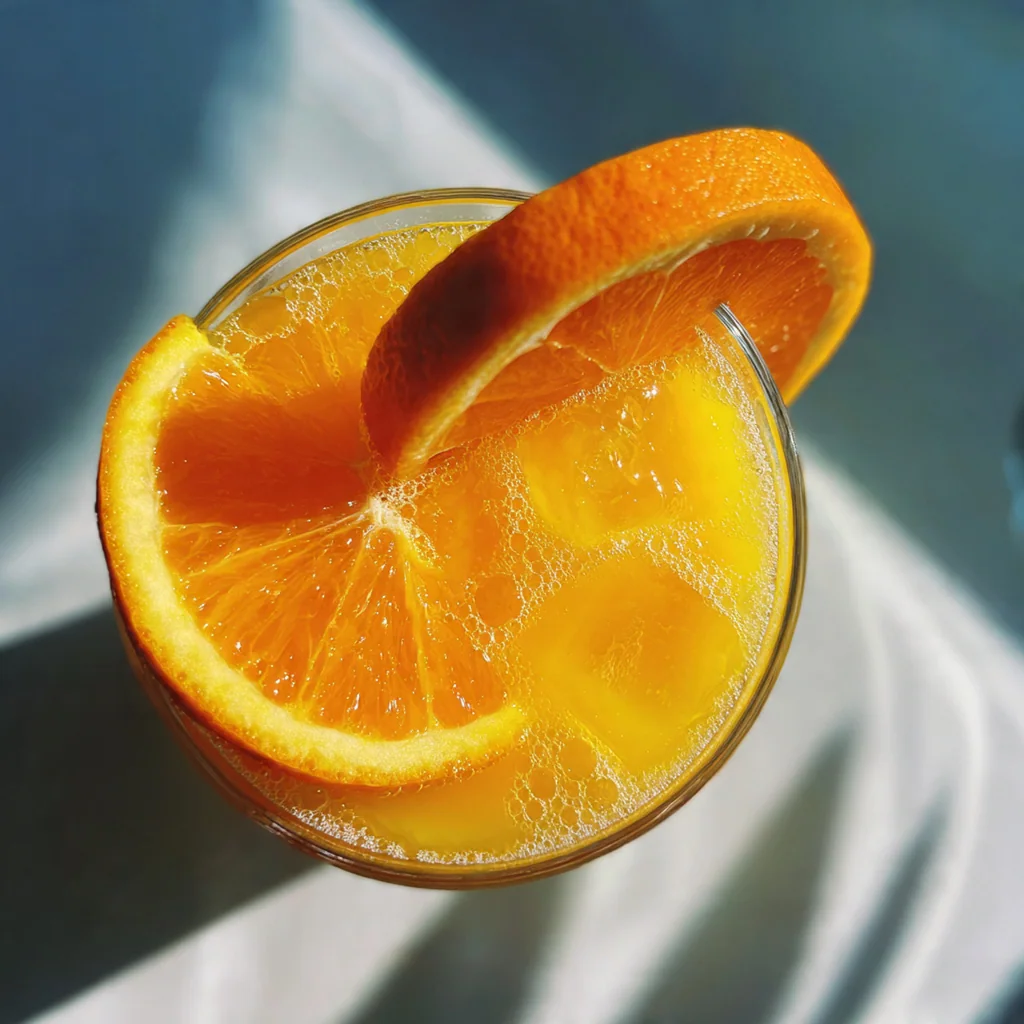
The Perfect Classic Mimosa is the definitive brunch cocktail, a symbol of leisurely mornings and celebration that originated in the glamorous Parisian bars of the 1920s. Its French elegance comes from its stunning simplicity, pairing just two brilliant ingredients to create a drink that’s far more than the sum of its parts. I love serving this because it instantly elevates any gathering with its festive bubbles and bright, sunny flavor. Mastering this classic mimosa is a genuine skill for any host, turning a simple juice into a sparkling occasion.
Why You'll Love This Recipe
- You need only a few high-quality ingredients you likely already have
- It comes together in five minutes of active prep time
- Feels effortlessly luxurious and festive for any morning occasion
- So easy to personalize with a dash of your favorite liqueur
- I serve these at every brunch I host
Ingredients You’ll Need
- Brut champagne or dry sparkling wine: for the signature dry crispness and essential bubbles a true brut has minimal sweetness letting the orange juice shine.
- Navel oranges: for the sweet fresh juice that defines the drink choose heavy oranges that yield more liquid and avoid any with thick pitted skin.
- Triple sec or Cointreau: for a subtle orange kick that deepens the flavor without making the drink overly sweet it’s an optional but lovely enhancer.
- Fresh mint sprigs: for an aromatic green garnish that makes the cocktail look and smell as fresh as it tastes a single sprig is all you need.
- Granulated sugar: for creating a festive sparkling rim on your glass it adds a lovely textural contrast to the first sip.
- Orange wedge: for moistening the rim of your flute before dipping it in sugar the juice acts as a perfect natural glue.
- Ice cubes: for quickly chilling your serving glasses if you forgot to put them in the freezer just a minute or two does the trick.
- Orange zest: for a final aromatic flourish that releases its oils right into the drink the tiny ribbons look elegant floating on top.
How to Make It
Chill Everything Thoroughly:
Start by getting your champagne and oranges nice and cold in the fridge for at least two hours. This is the secret to a refreshing classic mimosa that won’t get watered down. You want every component frosty and ready to go.
Prepare the Sugar Rim:
If you’re adding a rim, pour your sugar onto a small flat plate. Take an orange wedge and swipe it around the rim of each flute to get it sticky, then gently dip and twist the glass in the sugar. Set these pretty glasses aside so you don’t have to rush later.
Juice and Strain the Oranges:
Roll your chilled oranges firmly on the counter to break up the pulp inside, then juice them until you have two full cups. For the smoothest possible drink, pour the juice through a fine-mesh sieve into your pitcher to catch all the pulp and seeds.
Combine Juice and Liqueur:
Pour your fresh chilled orange juice into a nice serving pitcher or a large measuring cup with a spout. If you’re using the triple sec, stir it in gently at this stage. You’re just combining them, not beating air into the juice.
Fill the Glasses Halfway:
Divide that beautiful orange mixture evenly among your prepared flutes. Aim to fill each one about halfway to leave plenty of room for the bubbly. This ratio is key so the champagne flavor isn’t lost.
Top Gently with Champagne:
Now slowly pour your well-chilled champagne down the inside slope of each glass. Pouring it directly onto the juice creates a foamy mess, but this method preserves those precious, delicate bubbles. Fill to just below the rim.
Garnish and Serve Immediately:
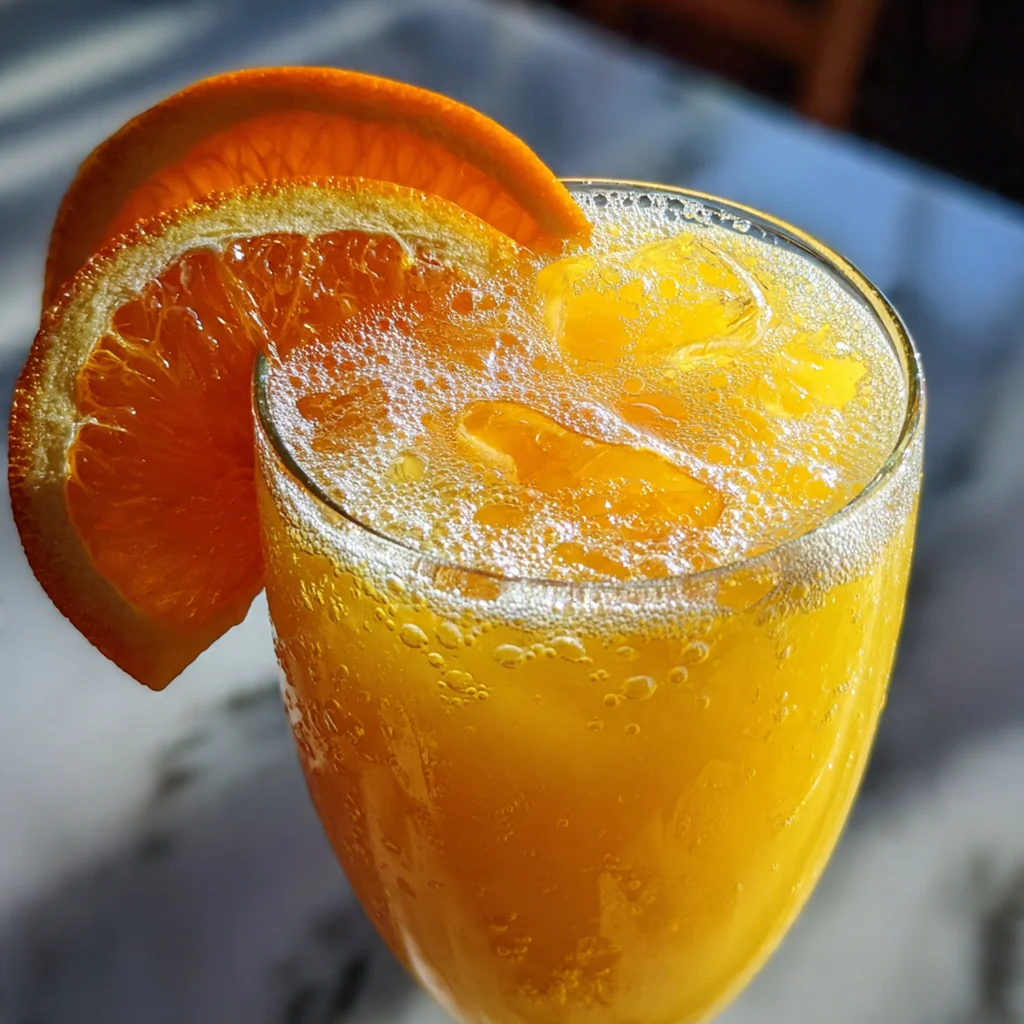
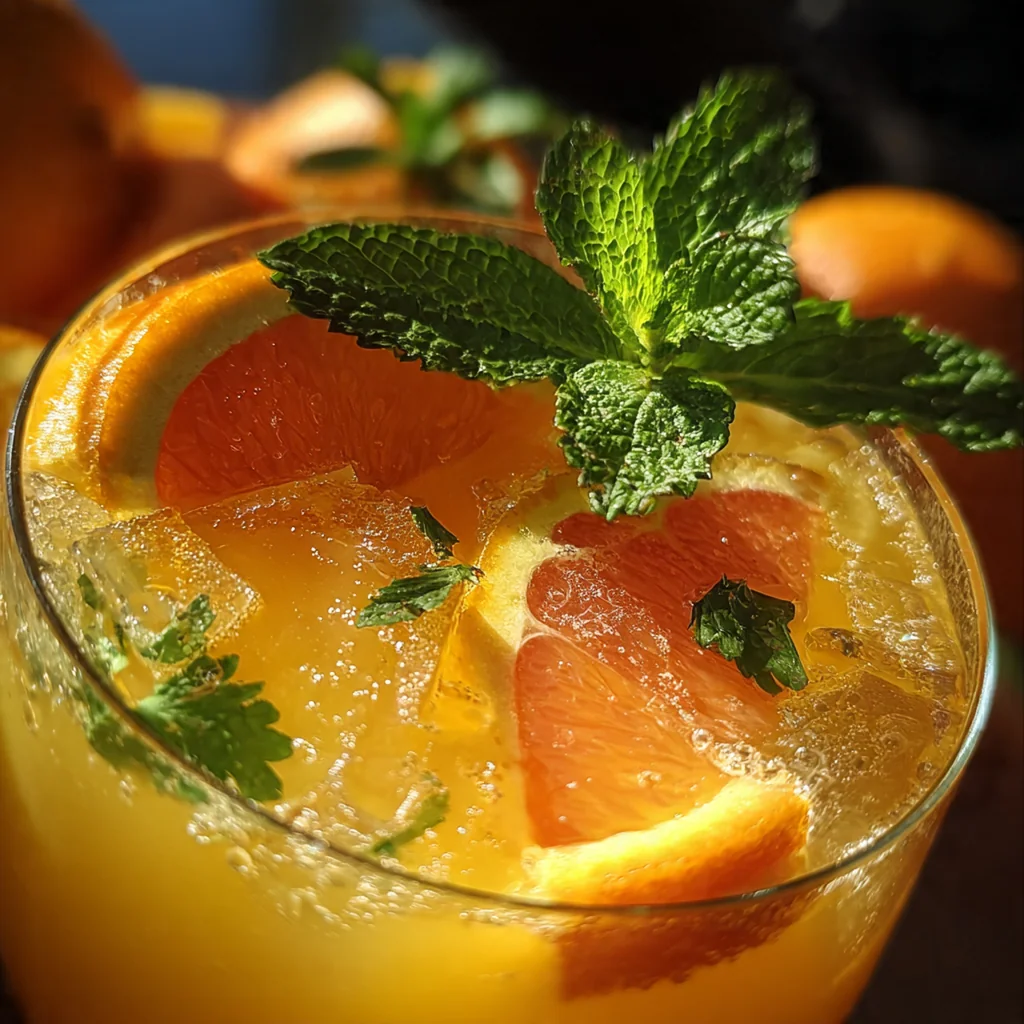
Finish each classic mimosa with a thin orange slice cut from your leftover fruit and a perky sprig of fresh mint. A little pinch of orange zest right on top adds a final aromatic touch. Serve them right away while they’re at their peak of fizz and chill.
You Must Know
- Freshly squeezed juice makes all the difference in flavor
- Chill your flutes for an extra cold presentation
- Pour the champagne slowly down the glass side
- It’s my non-negotiable rule for a perfect pour
Storage Tips
Let’s be honest, a classic mimosa is really a ‘serve immediately’ kind of affair. If you absolutely must store it, you can cover the pitcher or individual glasses and pop them in the fridge for up to a day. The flavors will still be nice, but the champagne will have lost most of its lively sparkle. Give it a gentle stir before you drink it again, but don’t expect the same festive bubble show.
Ingredient Substitutions
If you don’t have brut champagne, any dry sparkling wine like Prosecco or Cava works beautifully, just avoid anything labeled ‘Extra Dry’ as it’s actually sweeter. No fresh mint for garnish? A twist of orange peel or a few fresh raspberries tossed in look and taste fantastic. For a non-alcoholic version, swap the champagne for a good quality non-alcoholic sparkling wine or even chilled ginger ale for a different but delicious twist. You can skip the sugar rim entirely or use colored sanding sugar for a holiday look.
Serving Suggestions
I always serve this classic mimosa in proper champagne flutes—it just feels right. They’re perfect alongside rich, buttery brunch staples like eggs Benedict or a fluffy frittata, where the drink’s acidity cuts through beautifully. A big fresh fruit platter or a stack of warm, flaky croissants completes the picture. For a more savory pairing, try it with a cheesy quiche Lorraine or some crispy bacon; the combinations are truly endless.
Cultural Context
The classic mimosa’s story begins in 1925 at the Ritz Hotel in Paris, where it was allegedly named for the bright yellow mimosa flower. It quickly became the signature drink of sophisticated cafe society, a symbol of leisurely continental brunches. While its cousin the Bellini uses peach puree, the mimosa’s pure simplicity—champagne and orange juice—has cemented its status as *the* brunch cocktail worldwide. It represents an effortless kind of elegance that turns an ordinary morning into a small celebration.
Pro Tips
- For a drier drink, stick with brut and skip the triple sec
- Freeze your flutes for 15 minutes before serving
- Always pour the bubbly down the side of the glass
- I never use bottled juice, the fresh squeeze is non-negotiable
Frequently Asked Questions
A dry, crisp brut champagne or dry sparkling wine is ideal for a Classic Mimosa. The dryness balances the natural sweetness of the fresh orange juice perfectly. Avoid sweet or demi-sec champagnes, as they can make the cocktail overly sweet and cloying.
For the best results, combine the champagne and juice just before serving to preserve the bubbles. You can prepare the orange juice and chill the glasses ahead of time. If you must prep in advance, keep the components separate in the fridge and combine them at the last moment to maintain that signature crisp effervescence.
Triple sec or Cointreau is optional but adds a pleasant orange aroma. If you don’t have it, you can simply omit it. For a non-alcoholic version, a dash of orange blossom water or a bit of orange zest stirred in can mimic the aromatic quality without adding more alcohol.
Your Classic Mimosa is ready as soon as you gently pour the well-chilled champagne over the fresh orange juice. There’s no mixing required—just a gentle pour to combine. The drink should have a beautiful, pale orange hue and a lively stream of bubbles rising to the surface immediately.
Classic Mimosa pairs wonderfully with a French-inspired brunch. Think buttery croissants, pain au chocolat, quiche Lorraine, or a delicate fruit salad. Its crisp, clean flavor also complements savory dishes like eggs Benedict or smoked salmon on toast points perfectly.