


Making perfect French Toast feels like a little kitchen victory every single time. This American breakfast classic transforms simple ingredients into a meal that’s both comforting and special. Using thick brioche and a rich custard base creates that signature contrast of crisp edges and a soft, luxurious center. It’s a recipe that turns any morning into a celebration, and once you master the method, you’ll make it again and again.
Why You'll Love This Recipe
- You get that ideal crispy golden crust with a soft, custardy center
- It uses pantry staples for a luxurious breakfast any day of the week
- The whole process is incredibly easy and takes just half an hour
- Customize it endlessly with your favorite spices and toppings
- It’s the weekend morning tradition my family always asks for
Ingredients You’ll Need
- Large eggs: They create the custard base that soaks into the bread, giving you that signature rich and tender interior. Fresh eggs will give you the best volume and color when whisked.
- Whole milk: Provides the liquid foundation for the custard, keeping things light yet creamy. Whole milk has the perfect fat content for flavor without heaviness.
- Heavy cream: A little splash adds incredible richness and helps the exterior caramelize beautifully in the pan for that perfect golden crust.
- Granulated sugar: Sweetens the custard just enough and promotes caramelization on the bread’s surface for those delicious crispy bits.
- Pure vanilla extract: Infuses the custard with warm, aromatic flavor that makes the whole kitchen smell amazing. Real extract makes a noticeable difference.
- Ground cinnamon: Gives that classic warm spice note that pairs so well with maple syrup. A little goes a long way.
- Ground nutmeg: Adds a subtle, nutty depth that complements the cinnamon perfectly. Freshly grated nutmeg is even more aromatic.
- Kosher salt: Balances all the sweetness and enhances every other flavor in the custard. Its coarse grains are easy to measure.
- Unsalted butter: Used for frying, it gives the French toast its gorgeous golden-brown color and a delicious, rich buttery flavor. You control the salt.
- Thick-cut brioche or challah bread: This is your canvas. Thick slices hold up to soaking, and the rich, slightly sweet bread creates an incredible texture. Day-old is a pro secret.
How to Make It
Whisk the Custard Base:
Grab a large, shallow dish that will fit a slice of bread. Whisk the eggs, milk, cream, sugar, vanilla, spices, and salt together until the mixture is completely smooth and a little frothy on top. This ensures every flavor is evenly distributed for consistent results.
Preheat for Warm Service:
If you’re cooking for a crowd and want everything hot, turn your oven to 200°F now. Place a wire rack on a baking sheet inside. This setup keeps finished slices warm and, crucially, prevents the bottom from getting soggy from trapped steam.
Heat the Pan and Melt Butter:
Place your skillet or griddle over medium heat and let it get properly hot. Add the first tablespoon of butter and swirl it around until it melts and the surface is evenly coated. A properly heated pan is key for immediate sizzle and browning.
Soak the Bread Slices:
Take one slice of bread and submerge it in the custard mixture. Let it soak for about 20 to 30 seconds on each side. You want it fully saturated and heavy with custard but still holding its shape without falling apart.
Cook to Golden Brown:
Lift the soaked bread, let a little excess custard drip off, and place it gently in the hot, buttery skillet. Cook for 3 to 4 minutes without moving it until the underside is a deep, golden brown. Flip carefully and repeat on the other side.
Keep Warm and Repeat:
Transfer your perfectly cooked French toast to the wire rack in the warm oven. This maintains the crisp texture. Add another pat of butter to the skillet for the next batch and repeat the soaking and cooking process with the remaining bread slices.
Serve Immediately with Toppings:
Plate your French toast while it’s still hot and crisp. This is where you make it your own with a drizzle of maple syrup, a dusting of powdered sugar, or a pile of fresh berries. Dig in right away for the absolute best experience.
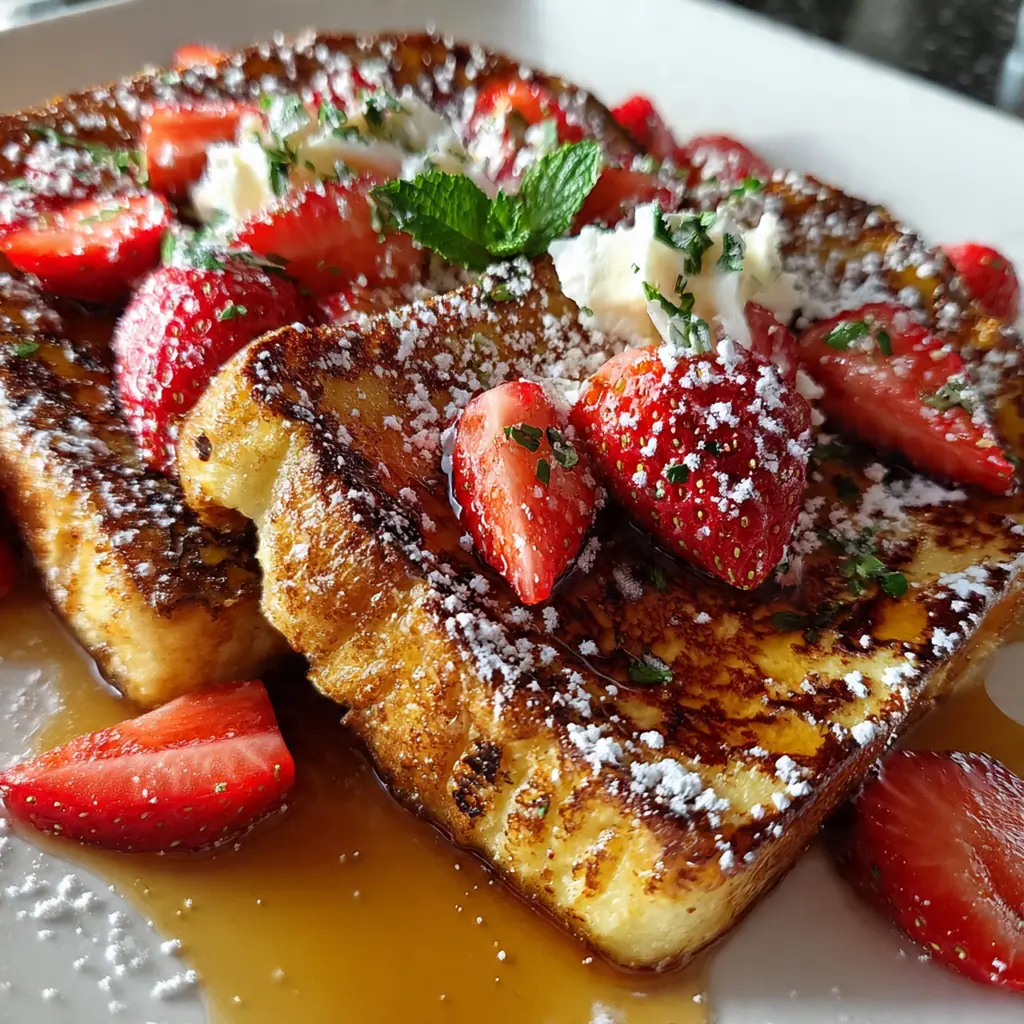
You Must Know
- Day-old bread absorbs custard without turning to mush
- Don’t rush the soak—20-30 seconds per side is the sweet spot
- A wire rack is your best friend for keeping everything crisp
- That first slice is the cook’s treat, I always eat it straight from the pan
Storage Tips
Let any leftover French toast cool completely on a wire rack, then stack the slices in an airtight container separated by parchment paper and store them in the fridge for up to two days. To reheat, skip the microwave which makes it rubbery, and instead use a toaster, a warm skillet, or a 350°F oven for 5 to 10 minutes until it’s hot and re-crisped. The texture won’t be *quite* as perfect as fresh, but it’s still a fantastic quick breakfast.
Ingredient Substitutions
If you don’t have brioche, challah, Texas toast, or a sturdy sandwich bread will work beautifully, just avoid very soft, fluffy white bread. For a dairy-free version, swap the whole milk and heavy cream for an equal amount of full-fat canned coconut milk or a rich almond milk; the custard will still be lovely. No vanilla? A tiny splash of maple syrup or a pinch of extra cinnamon in the mix can add complexity. And if you’re out of fresh nutmeg, just use a tiny bit more cinnamon or skip it altogether.
Serving Suggestions
For a full classic breakfast spread, I love pairing this French toast with a few strips of crispy bacon or some savory breakfast sausage links to balance the sweetness. A simple fresh fruit salad or a big bowl of mixed berries on the side adds a bright, juicy contrast. To drink, a strong hot coffee or a glass of cold, freshly squeezed orange juice cuts through the richness and makes the whole meal feel complete and special.
Cultural Context
While the concept of soaking and frying bread dates back centuries across many cultures, the sweet, custardy version we know as French toast today is deeply rooted in American breakfast tradition. It likely evolved from the resourceful practice of using up stale bread, transformed over time with the addition of eggs, milk, and sugar from the farmhouse pantry. It’s a dish of simple comfort, designed to feel indulgent without requiring fancy techniques or ingredients, which is exactly why it has remained a beloved staple for generations of home cooks.
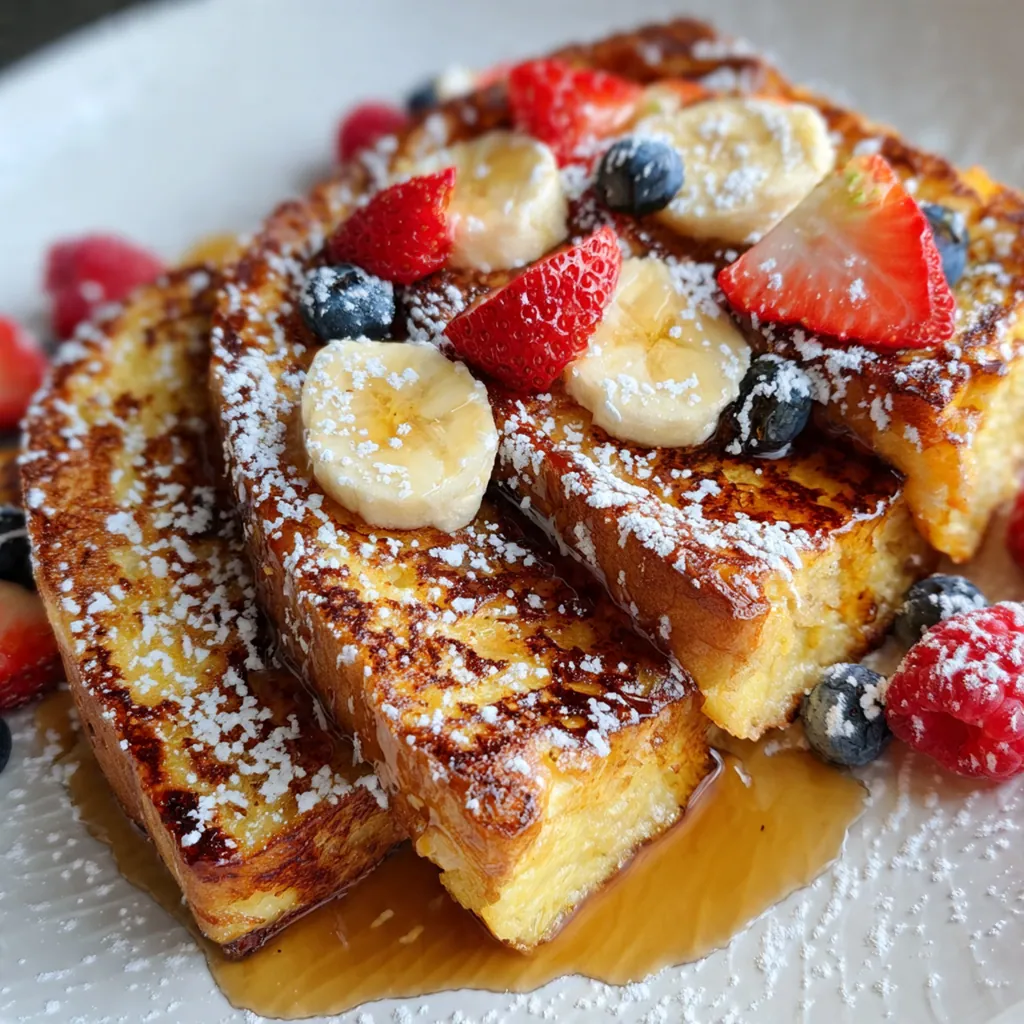
Pro Tips
- Test your pan’s heat with a few water drops – if they sizzle and dance, you’re ready to go
- Add a pinch of orange zest or a dash of cardamom to the custard for a subtle twist
- Let the butter get foamy but not brown before adding your soaked bread
- I always double the recipe when we have guests – it disappears fast
Frequently Asked Questions
Thick-cut brioche or challah bread is ideal for French Toast because its rich, sturdy structure absorbs the custard mixture without becoming soggy. Using bread that is a day old ensures it soaks up the liquid beautifully while holding its shape during cooking.
You can prepare the custard mixture the night before and keep it refrigerated. For the best texture, soak and cook the bread just before serving. Cooked French Toast can be kept warm in a low oven for about 20 minutes.
You can use additional whole milk or half-and-half instead of heavy cream. The heavy cream simply adds extra richness, but the French Toast will still be deliciously custardy with just milk.
Cook each slice for 2-4 minutes per side. It’s ready to flip when the edges look set and the bottom is a deep golden brown. The second side will cook slightly faster. The center should feel firm but springy when gently pressed.
Classic French Toast pairs wonderfully with pure maple syrup, fresh berries, a dusting of powdered sugar, or a dollop of whipped cream. For a hearty American breakfast, add a side of bacon or sausage links.