


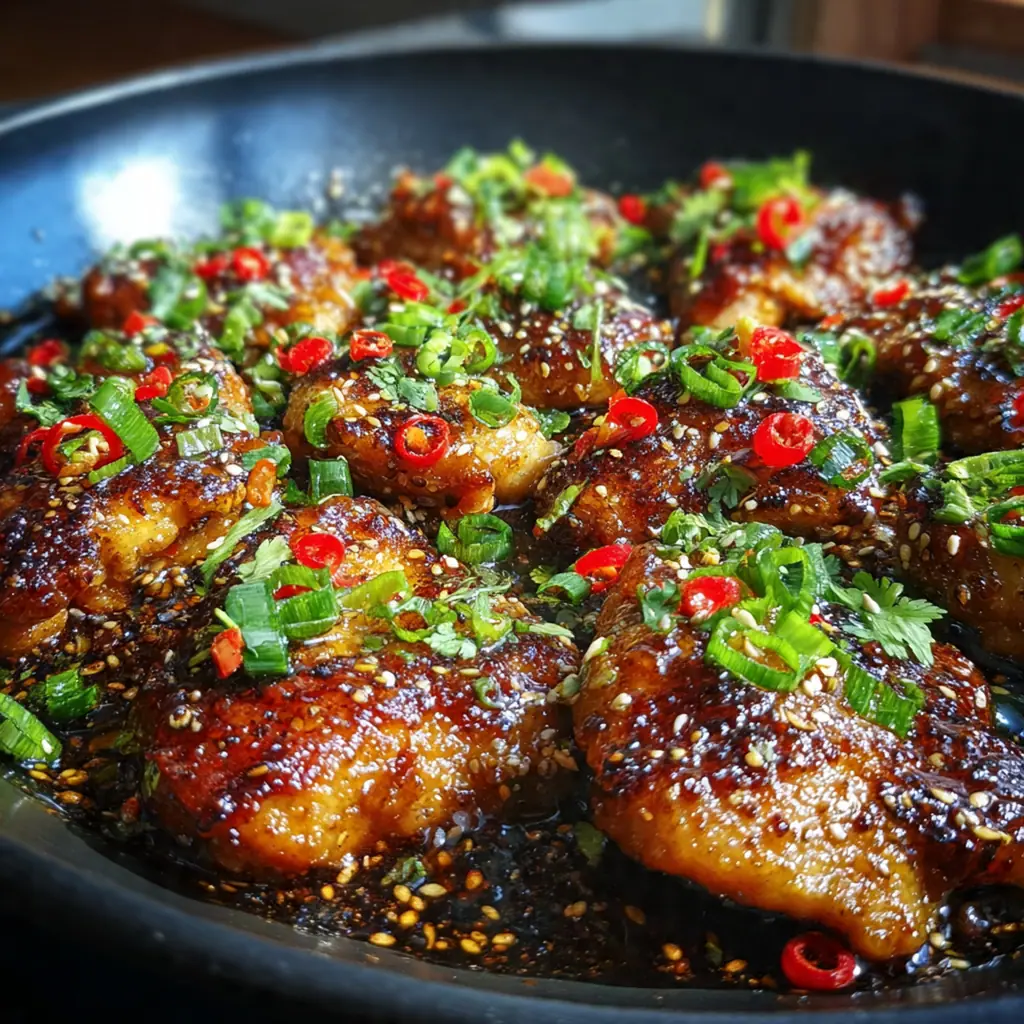
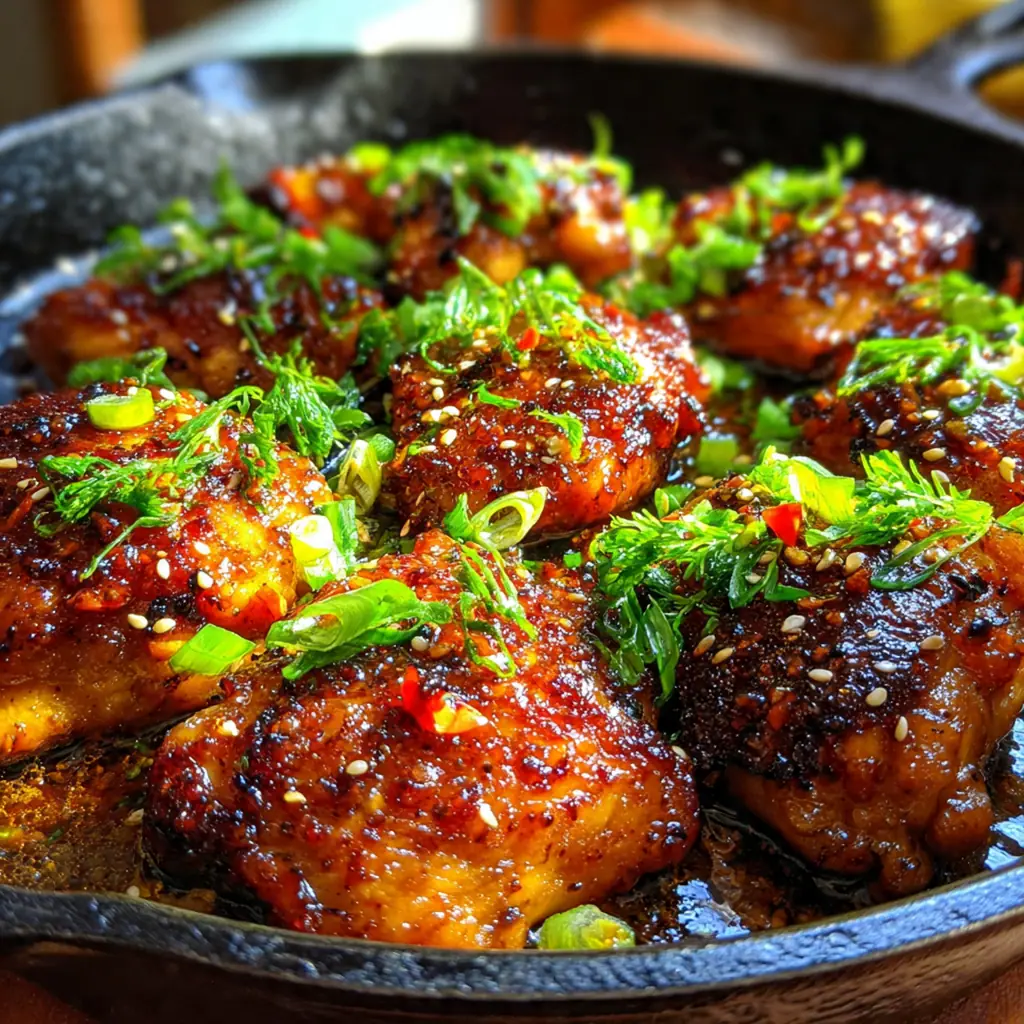
This Sticky Honey Garlic Skillet has been my weeknight hero for years, delivering an Asian-American inspired meal that’s both effortless and packed with flavor. It’s a one-pan wonder where tender chicken and crisp veggies get coated in a sweet and savory glaze you’ll want to lick straight from the spoon. Ready in about 30 minutes, it turns a busy evening into a special dinner with minimal cleanup. I love how the simple combination of honey, garlic, and soy sauce creates something truly irresistible that everyone at the table adores.
Why You'll Love This Recipe
- Dinner is ready in around 30 minutes from start to finish
- One skillet means you’re left with almost no dishes to wash
- The sauce achieves that perfect balance of sweet honey and savory garlic
- Toss in any extra veggies you have lurking in the fridge
- It’s the meal my family requests more than any other
Ingredients You’ll Need
- Boneless, skinless chicken thighs: They stay incredibly juicy during quick cooking and their richer flavor stands up beautifully to the robust glaze.
- Salt: Essential for enhancing all the natural flavors in the dish, from the chicken to the vegetables.
- Black pepper: Adds a subtle warmth and complexity that perfectly complements the sweet and savory notes.
- Vegetable oil: A neutral oil with a high smoke point, ideal for getting a proper golden sear on the chicken.
- Red bell pepper: Brings sweet crunch and vibrant color; choose firm, glossy peppers for the best texture.
- Onion: Sliced onion caramelizes in the pan, creating a sweet, deep foundation for the sticky sauce.
- Garlic: Freshly minced garlic is non-negotiable for that pungent, aromatic kick that defines the dish.
- Fresh ginger: Grating it fresh provides a bright, zesty heat that powdered ginger simply can’t replicate.
- Honey: The star of the sweet side, it creates the sticky, glossy glaze we all love.
- Soy sauce: Provides the salty, umami backbone; for a gluten-free version, just swap in tamari.
- Rice vinegar: Introduces a mild, clean acidity that balances the sweetness and cuts through richness.
- Cornstarch: The key to thickening the sauce into a luxurious glaze that clings to every bite.
- Water: Mixed with the cornstarch to create a smooth slurry, ensuring your sauce thickens without lumps.
- Green onions: A fresh, sharp garnish that adds a pop of color and a crisp finishing note.
- Sesame seeds: Toasted seeds sprinkled on top add a nutty flavor and delightful little crunch.
- Cooked white rice: The perfect fluffy, neutral base designed to soak up every last drop of sauce.
How to Make It
Prepare the Chicken:
Start by patting your chicken pieces completely dry with paper towels. This step is crucial because dry chicken sears instead of steams, giving you those beautiful golden-brown edges. Then, season them evenly all over with the salt and black pepper.
Sear the Chicken:
Heat the vegetable oil in your largest skillet over medium-high heat until it shimmers. Add the chicken in a single layer without crowding the pan. Let it cook undisturbed for 3-4 minutes per side to develop a gorgeous crust, then transfer it to a plate.
Cook the Vegetables:
In that same skillet, add the sliced red bell pepper and onion. Sauté them for 4-5 minutes, stirring occasionally. You want them softened with some caramelized edges, which builds a deeper, sweeter flavor base for your sauce.
Bloom the Aromatics:
Add the minced garlic and grated ginger directly to the skillet with the veggies. Cook for just one minute, stirring constantly. You’ll know it’s ready when the incredible fragrance fills your kitchen—be careful not to let it burn.
Whisk the Sauce:
While the veggies cook, grab a small bowl. Whisk together the honey, soy sauce, rice vinegar, cornstarch, and water until the mixture is perfectly smooth. This slurry is what will transform into that thick, glossy glaze.
Combine Everything:
Return the seared chicken and any accumulated juices back to the skillet with the softened vegetables. Pour your prepared honey garlic sauce over the top, making sure to coat every piece evenly.
Simmer to Thicken:
Reduce the heat to medium-low and let everything simmer gently for 3-5 minutes. Stir occasionally as the sauce bubbles and thickens into a sticky glaze that lovingly coats the chicken and veggies.
Add the Finishing Touches:
Remove the skillet from the heat. If you’re using them, scatter the sliced green onions and sesame seeds over the top. These fresh garnishes add a final layer of color, texture, and flavor.
Serve Immediately:
Spoon the sticky honey garlic skillet chicken straight from the pan over fluffy cooked white rice. Don’t waste a drop of that incredible sauce—the rice is there to soak it all up.
You Must Know
- A properly hot skillet is the only way to get a golden sear on the chicken
- Fresh grated ginger makes a world of difference compared to the powdered kind
- Have a splash of water or broth ready to thin the glaze if it gets too thick
- Letting the chicken rest for a minute after searing keeps all the juices inside
Storage Tips
Store any leftovers in an airtight container in the refrigerator where they’ll keep perfectly for up to three days. When you’re ready to eat, reheat them gently in a skillet over low heat, stirring in a tablespoon of water or chicken broth to loosen the sticky sauce back to its glorious consistency. I avoid the microwave as it can make the chicken a bit rubbery. Honestly, it’s so good you might even sneak a cold piece straight from the fridge.
Ingredient Substitutions
If you prefer white meat, boneless chicken breasts work fine but cook them a minute or two less to prevent drying out. Swap the red bell pepper for broccoli florets or snap peas, and apple cider vinegar can stand in for rice vinegar in a pinch. To make this gluten-free, simply use tamari instead of regular soy sauce. No fresh ginger? A teaspoon of ginger paste or a quarter teaspoon of dried powder can substitute, though the flavor won’t be as bright. Any neutral oil like canola or avocado oil will do the job just as well.
Serving Suggestions
I always serve this sticky honey garlic skillet over a big bed of steamed jasmine rice to catch all the sauce, but for a low-carb option, cauliflower rice works wonderfully. For sides, keep it simple with steamed edamame sprinkled with sea salt or a quick cucumber salad tossed with a little rice vinegar. If you’re feeling indulgent, stir-fried noodles or even a scoop of quinoa are fantastic alternatives that still let the main dish shine. A crisp, cold beer or a glass of iced green tea rounds out the meal perfectly.
Cultural Context
This sticky honey garlic skillet is a beloved example of Asian-American fusion cuisine, taking the core sweet-and-savory flavor profile found in many Chinese dishes and adapting it for the quick, one-pan weeknight meal. The foundational trio of soy sauce, ginger, and garlic is deeply rooted in East Asian cooking, while the generous use of honey and the streamlined skillet method cater to American home cooks seeking convenience and bold, glazed flavors. It’s a beautiful illustration of how culinary traditions evolve, creating something new, accessible, and utterly crave-worthy that fits seamlessly into modern life.
Pro Tips
- Get your skillet properly hot before adding the chicken for that essential golden crust
- Freshly grated ginger is absolutely worth the extra minute for its vibrant, zingy flavor
- Keep a little water or broth nearby to adjust the glaze thickness as it simmers
- Swapping soy sauce for tamari turns this into an easy gluten-free dinner without any fuss
- I never skip letting the chicken rest after searing—it’s my secret for supremely tender bites
Frequently Asked Questions
You can easily use boneless, skinless chicken breasts cut into pieces, but they may cook a bit faster and be slightly less juicy. For a plant-based option, try firm tofu or chickpeas, adjusting the cook time as needed to avoid mushiness.
Absolutely! You can prep the vegetables and sauce a day in advance. Store them separately in the fridge. When ready to cook, simply sear the chicken and combine everything in the skillet. The dish also reheats beautifully for delicious leftovers.
If you don’t have rice vinegar, apple cider vinegar or white wine vinegar are your best bets. Use the same amount. Avoid balsamic or strongly flavored vinegars, as they will significantly alter the classic Asian-American flavor profile of the glaze.
The chicken pieces should be cooked through with no pink inside, about 6-8 minutes of sautéing. They’ll become beautifully browned and will easily release from the hot pan when they’re ready to flip and finish cooking.
This dish is fantastic over a bed of steamed jasmine rice, cauliflower rice, or noodles to soak up the extra sauce. For a low-carb option, serve it alongside a simple cucumber salad or steamed broccoli for a complete and satisfying meal.